Cat Sleeping on Books Cross Stitch Review
As a designer who spends half my life staring at stitch charts and the other half troubleshooting tension issues on the embroidery machine, I don’t just look at a design’s aesthetics. I look at its viability. When I first downloaded the Cat Sleeping on a Stack of Books Cross Stitch Pattern, my immediate reaction wasn’t just about how cute it looked, but whether it would actually translate well into a tangible, sellable product. We live in an era where "cute" is abundant, but "well-executed" is rare. This pattern sits comfortably in that sweet spot of cozy, literary charm, making it a strong candidate for several specific niches in the handmade market.
The First Impression: Mood and Visual Personality
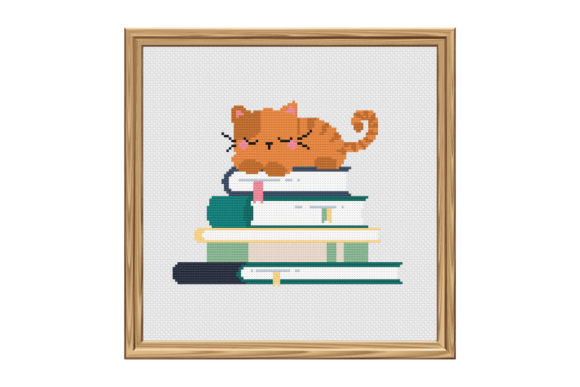
The moment you open the PDF instructions included with this download, the mood is set. It isn’t chaotic or overly complex; it is serene. The subject—a cat curled up on books—evokes a specific feeling of quiet comfort. For designers, this is valuable because it targets a very clear demographic: readers, students, bibliophiles, and people who value slow living. Visually, the composition relies on the contrast between the organic, soft shape of the sleeping animal and the rigid, geometric lines of the book spines. This juxtaposition creates visual interest without requiring intricate, high-density stitching that might bog down production time.
From a graphic design perspective, the layout is balanced. It doesn’t scream for attention; it invites the viewer to lean in. This subtlety is crucial for products like tote bags or aprons, where the design needs to complement the garment rather than overpower it. It feels like a handmade product meant to be cherished, not just another mass-produced novelty item. The aesthetic aligns perfectly with current trends in craft business branding, where authenticity and warmth are key selling points.
Real-World Application: Where This Design Shines
I’ve been thinking through how this embroidery project would perform in actual production scenarios. Let’s look at a few concrete examples where the Cat Sleeping on a Stack of Books Cross Stitch Pattern could drive sales.
- Custom Apparel and Sweatshirts: Imagine this stitched onto a heavyweight cotton sweatshirt in a muted olive or cream color. The cross-stitch texture adds a tactile element that pure machine satin stitches often lack. It gives the garment a vintage, artisanal feel. For an Etsy seller, this combination of theme and texture can justify a higher price point because it looks like a labor-of-love piece.
- Baby Items and Nursery Decor: The gentle nature of the subject makes it ideal for baby blankets or nursery wall hangings. Parents often seek out designs that are calming and non-threatening. A sleeping cat suggests safety and rest, which resonates deeply with new parents. Using this as a personalized gift for a baby shower would likely result in positive feedback.
- Tote Bag Designs: Canvas totes are a staple for small shop products. This design fits perfectly on the front pocket or the main body of a canvas bag. It appeals to book lovers who carry their reads everywhere. The rectangular shape of the stacked books mirrors the rectangular nature of many tote bags, creating a harmonious fit.
- Kitchen Textiles: Tea towels or aprons featuring this pattern add a touch of whimsy to the kitchen. While cats aren’t typically associated with cooking, the "sleeping" aspect implies relaxation after a meal or during a break. It works well as part of a coordinated set with other literary-themed items.
Technical Considerations and Potential Pitfalls
However, no design is perfect for every application. As a reviewer, I must highlight where caution is needed. Cross-stitch patterns, even when digitized for machine embroidery, rely heavily on fabric choice and stabilization.
Fabric Texture and Stability: This design requires a relatively stable weave to maintain the crispness of the cross-stitch effect. If you attempt this on a highly textured linen or a stretchy jersey knit without proper support, the stitches may pucker or distort. Always use a cut-away stabilizer for garments like sweatshirt embroidery to prevent distortion over time. For woven fabrics like cotton or linen blends, a tear-away stabilizer might suffice for smaller hoops, but stability is paramount.
Small Details and Stitch Density: While the overall design is charming, pay close attention to the fine details of the cat’s whiskers or the text on the book spines if any exist. In smaller hoop sizes, these tiny elements can merge together, losing their definition. I recommend testing the design in a black-and-white mockup first. This helps you see if the negative space is sufficient and if the thread colors will provide enough contrast against your chosen fabric. If the background fabric is dark, ensure the thread colors are light enough to pop; otherwise, the design may get lost.
Curved Surfaces: Avoid placing this design on curved surfaces like caps or sleeves unless you have advanced digitizing skills to compensate for the curvature. The straight lines of the books will warp noticeably on a curved hat brim, potentially ruining the illusion of a neat stack. Stick to flat surfaces like tote bags, pillow covers, or the chest area of a t-shirt for the best results.
Practical Designer Notes for Execution
Before committing to a full run of products, follow these steps to ensure quality:
- Test on Scrap Fabric: Never go straight to your final product. Stitch the Cat Sleeping on a Stack of Books Cross Stitch Pattern on a scrap piece of the same fabric you plan to use. Check for puckering, thread breaks, and color accuracy.
- Review Stitch Density: Look closely at the fill areas. Are they too dense? Excessive density can make the fabric stiff and uncomfortable, especially on apparel. Adjust the stitch length if necessary to improve drape.
- Check Licensing: Since this is a digital download, verify the license terms carefully. Are you allowed to sell finished physical goods? Can you use it in commercial embroidery projects? Clarifying this before you start manufacturing prevents legal headaches later.
- Compare Light and Dark Backgrounds: Test the design on both light and dark fabrics. Sometimes a design that looks vibrant on white looks muddy on navy blue. Choose the background that enhances the visual appeal of the cat and books.
Final Verdict: Value and Professionalism
The Cat Sleeping on a Stack of Books Cross Stitch Pattern is more than just a pretty picture; it’s a versatile asset for any digital product seller or creative entrepreneur looking to expand their catalog. It strikes a balance between simplicity and character, allowing it to fit into various categories from holiday embroidery gifts to everyday custom apparel.
For Etsy sellers and small business owners, this design offers a low-risk, high-reward opportunity. It doesn’t require exotic threads or complex techniques, yet it delivers a high perceived value due to its thematic appeal. Customers trust designs that look intentional and well-crafted. By paying attention to fabric selection, stabilization, and thread contrast, you can elevate this simple cross-stitch motif into a professional-grade finished product that stands out in a crowded marketplace.
In summary, if you are looking for a design that brings warmth, personality, and a touch of literary elegance to your offerings, this pattern is a solid choice. Just remember: the magic happens in the execution. Take the time to test, refine, and present your work with care, and your customers will notice the difference.