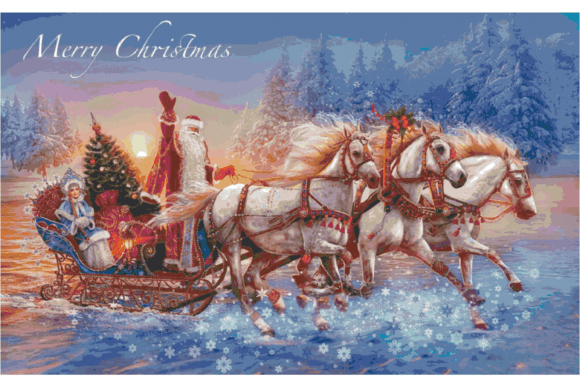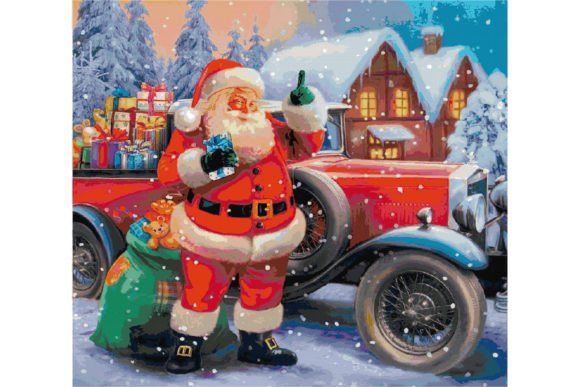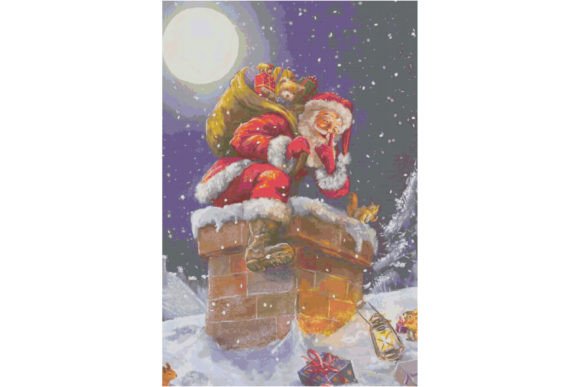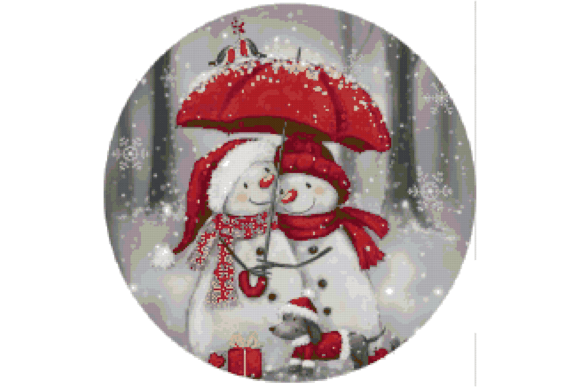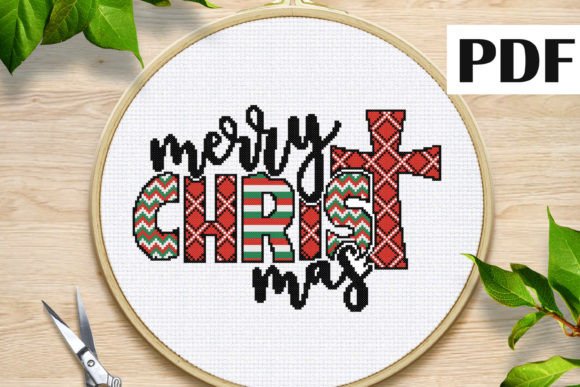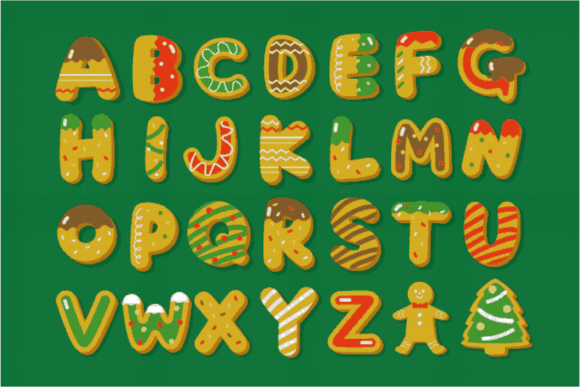
Christmas Alphabe Cross Stitch Patterns
As an experienced embroidery designer, I spend a lot of time evaluating digital assets before committing them to fabric. The difference between a design that sits in your "favorites" folder and one that actually moves units at a craft fair comes down to practicality, visual impact, and production ease. When I first looked at the Christmas Alphabe Cross Stitch Patterns, my immediate reaction was one of cautious optimism. The title suggests a playful, perhaps slightly rustic or modern take on holiday lettering, which is exactly the kind of aesthetic that performs well in handmade markets right now.
However, it is crucial to remember what this product actually is. As stated in the description, this is not a kit. No floss or fabric are included. You are purchasing PDF chart patterns only. This distinction is vital for business owners who might be looking for turnkey solutions. Instead, you are acquiring the blueprint. The promise of Large Easy to Read Charts that require no enlargement is a significant selling point for busy makers, but it also places the responsibility of interpretation and execution squarely on your shoulders. Let’s break down how this design fits into a commercial workflow, specifically for those of us prepping for weekend craft fairs and online handmade shops.
First Impressions and Visual Appeal
The term "Alphabe" implies a focus on typography, likely featuring festive letters, names, or short phrases. In the world of cross stitch, especially when translating to other mediums like machine embroidery or hand stitching on goods, typography can be tricky. If the charts are indeed large and easy to read, it suggests a design that prioritizes clarity over intricate, tiny details. This is a good thing for mass production. A design that is bold and legible from three feet away—typical booth viewing distance—will always outperform a delicate, microscopic pattern that requires customers to squint.
Visually, I imagine these patterns leaning towards a farmhouse or modern rustic vibe. These styles dominate the current market for handmade products. They feel warm, personal, and premium without being overly ornate. For a booth display, you want items that pop. A stark white tea towel with crisp, colorful cross-stitched letters creates high contrast and draws the eye immediately. The design assets here seem positioned to offer that kind of clean, decorative appeal.
Product Applications: Where It Sells Best
When planning a table display, versatility is key. The Christmas Alphabe Cross Stitch Patterns are not limited to traditional linen samplers. Their adaptability is where their real value lies for the Etsy seller or boutique maker. Here is how I see them performing across different categories:
- Tote Bag Design: A canvas tote bag embroidered with a single festive word or initial is a staple item. The cross-stitch look adds texture and perceived value compared to flat screen printing. It feels artisanal and custom.
- Apron Embroidery: Kitchen aprons are high-margin items during the holidays. Placing the alphabe design on the bib or pocket area offers a functional yet decorative touch. Customers love personalized kitchenware for hosts and hostesses.
- Tea Towel Embroidery: Linen or cotton tea towels are low-cost materials with high perceived value. A simple cross-stitch motif transforms a $5 towel into a $15–$20 gift item. The large charts make this efficient to produce.
- Embroidered Patch: You can stitch these designs onto felt or twill, then add hook-and-loop backing or iron-on adhesive. Patches are excellent impulse buys at craft fairs because they are small, portable, and allow for creative placement on jackets, hats, or bags.
- Caps and Small Pouches: Structured caps provide a stable surface for smaller designs. However, curvature can distort lettering, so test spacing carefully. Small fabric pouches for makeup or jewelry are also great canvases for these graphic elements.
Production Practicality and Efficiency
For the craft fair product to be profitable, you need to balance quality with speed. The fact that these are digital embroidery file style charts (PDFs) means you have control over the output size. Since you can print them in any size you want, you can scale the design to fit your specific hoop size or fabric dimensions. This flexibility is invaluable.
However, efficiency depends on the complexity. If the design has too many color changes, your production time will skyrocket. Ideally, these patterns should use a limited palette of thread colors to keep costs down and stitching time manageable. The "easy to read" aspect of the charts suggests that the symbol count might be moderate, allowing for quicker completion. This repeatability is essential for batch production. Can you stitch ten aprons in a day? If the design allows for consistent, rhythmic stitching without constant confusion, the answer is yes.
Photography and Online Listings
In today’s market, your product photo is just as important as the product itself. A well-executed cross-stitch design photographs beautifully because of its texture. The raised stitches catch the light, creating depth in images. When listing these on Etsy or your own website, ensure you capture close-ups that show the detail of the stitches. The printable mockup potential of these files means you can create lifestyle images even before you sew the first physical item, helping you build hype and pre-orders.
Customers browsing online want to see consistency. Using the same Christmas Alphabe Cross Stitch Patterns across a range of products—totes, mugs wrapped in embroidered sleeves, pillow covers—creates a cohesive brand identity. It signals to the buyer that you are a professional operation with a distinct style.
Crucial Production Notes and Warnings
Before you rush into full-scale production, there are several technical considerations every designer must address. Ignoring these can lead to wasted material and unhappy customers.
- Test on Scrap Fabric: Never assume a design will work perfectly on your final fabric. Test the stitch density on scraps of the actual material you plan to sell. Thick denim, textured towels, and soft fleece behave differently.
- Check Thread Contrast: Light threads on dark fabric can get lost, while dark threads on light fabric can look harsh. Ensure the chosen thread colors complement the base fabric. The clarity of the letters is paramount; if the contrast is poor, the design fails.
- Inspect Stitch Density: High stitch density can cause fabric puckering, especially on lightweight linens or knits. If the design is dense, you may need a stronger stabilizer or a cut-away backing to maintain structure.
- Confirm Hoop Size: Even though you can print charts at any size, your hoop is fixed. Ensure the scaled design fits comfortably within your hoop with enough margin for handling. Too tight a fit makes stitching difficult and increases the risk of errors.
- Fabric Texture Matters: Highly textured fabrics like waffle weave or boucle can obscure fine details. For alphabetic designs, a smooth, even-weave fabric is usually best to ensure legibility.
- Commercial Licensing: This is non-negotiable. Before you sell any finished items, verify the commercial licensing terms associated with the PDF purchase. Selling handmade goods for profit requires explicit permission to use the design commercially. Do not assume standard personal-use licenses cover craft fair sales.
Final Verdict for the Entrepreneur
The Christmas Alphabe Cross Stitch Patterns appear to be a solid choice for makers looking to capitalize on the holiday season. The emphasis on readability and scalability suggests a design that is user-friendly and adaptable. For the small shop product line, it offers the potential for high volume and variety. Whether you are stitching by hand or digitizing the chart for machine embroidery, the core asset is the clear, festive graphic.
Success will depend less on the file itself and more on your execution. Choose the right fabrics, invest in quality threads, and present your finished products professionally. If you treat these patterns as a foundational element of a broader collection of commercial embroidery goods, they have the potential to become a bestseller. Just remember to do your due diligence on licensing and testing. Happy stitching, and may your booth be busy!