Christmas Ornaments Cross Stitch Pattern Review for Business Use
As an experienced embroidery designer, I'm always on the lookout for patterns that can be seamlessly integrated into small business branding. The Christmas Ornaments Cross Stitch Pattern caught my attention with its detailed description and potential for customization. This design isn’t just for holiday decoration—it could become a signature element in your branded merchandise lineup if used thoughtfully.
First Impressions: A Versatile Yet Seasonal Design
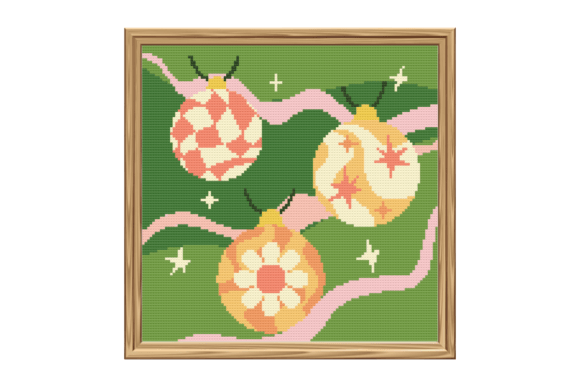
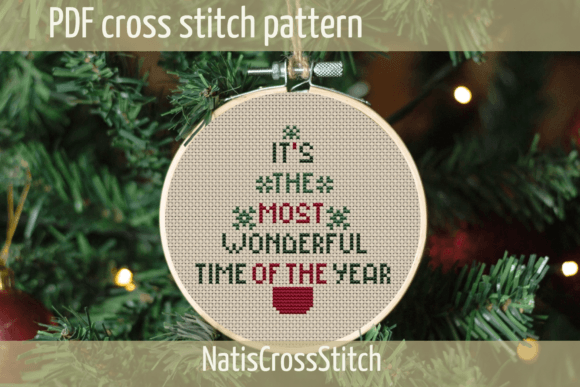
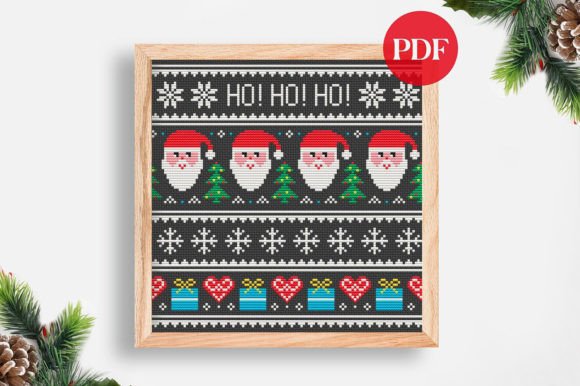
The title and product description of the Christmas Ornaments Cross Stitch Pattern immediately signal a festive, handmade aesthetic. With a design area of 7.93 x 7.71 inches (20.14 x 19.59 cm), it's generous enough to show off detail while still being adaptable for smaller formats. The use of DMC thread colors ensures quality and consistency, which is important when maintaining brand identity through embroidery.
This pattern feels premium yet playful, combining the charm of traditional cross stitch with a modern appeal. It’s not overly bold or rustic, but there’s enough visual interest in the ornament shapes and stitching layout to make it stand out without being overwhelming. For businesses looking to add a touch of seasonal warmth to their merch, this could be a strong contender.
Real-World Application in Small Business Merch
Let’s break down how this design might perform across different types of branded products:
- Embroidered Patches: The Christmas Ornaments Cross Stitch Pattern would work well as a patch, especially for items like tote bags, jackets, or even aprons. Its moderate size allows for clear visibility without taking over the piece.
- Chest Logo Accent: As a secondary logo or accent on staff uniforms, this pattern adds a subtle, thematic flair. It won't compete with primary branding but enhances the overall look with a personal touch.
- Sleeve Details: When placed along the sleeve of a work shirt or casual uniform, the pattern can serve as a decorative yet meaningful feature—especially during the holidays.
- Cap Embroidery: While the design has enough character, placing it on a cap front may require reducing the size significantly. Careful evaluation is needed to ensure clarity and legibility at smaller scales.
- Tote Bag Markers: Tote bags are a popular choice for branded giveaways and retail packaging. This design could function as a unique marker or label, adding visual appeal and reinforcing a warm, approachable brand image.
- Apron Embroidery: In a café or bakery setting, the pattern could enhance aprons with a cozy, celebratory feel. Just keep in mind that high-traffic areas may need more durable fabric choices.
- Product Packaging Accents: On custom product labels or gift tags, the Christmas Ornaments Cross Stitch Pattern brings a handcrafted vibe that appeals to customers who value artisanal aesthetics.
- Boutique Merchandise: For boutique owners or Etsy sellers, this design offers a way to differentiate seasonal inventory. It supports the handmade product narrative effectively.
- Customer Gifts & Event Merch: Limited-edition items like embroidered mugs, ornaments, or holiday cards can benefit from this pattern, creating a memorable and cohesive seasonal collection.
- Commercial Embroidery Projects: If you're producing large quantities of branded apparel or accessories, test the design thoroughly before scaling up. The pattern's complexity should be matched by consistent execution.
Where to Use the Design with Caution
While the Christmas Ornaments Cross Stitch Pattern is visually appealing, certain applications require careful consideration to avoid compromising the final result:
- Small Patch Sizes: At sizes under 3 inches, the pattern may lose definition. Always review the stitch count and adjust accordingly.
- Cap Fronts: Due to limited space and curved surfaces, simplification or reformatting may be necessary to maintain clarity.
- Curved Surfaces: Items like sleeves or curved patches may distort the pattern slightly. Use a stabilizer and proper tension control to minimize this effect.
- Tiny Lettering: If the pattern includes text, it may not hold up well at reduced sizes. Confirm letter readability before finalizing production.
- High Stitch Density: The intricate nature of cross stitch can lead to denser stitch counts, which may affect fabric texture and durability. Monitor stitch density on real fabric samples.
- Textured Fabric: Avoid using this pattern on heavily textured materials like canvas or denim unless you’re prepared for some variation in appearance.
- Dark Uniforms: Thread contrast is crucial. Test the pattern on dark-colored fabrics to ensure it remains visible and aesthetically pleasing.
- Frequent Washing: Because of the delicate cross stitch style, consider whether the design will withstand regular washing—especially on aprons or workwear.
Impact on Brand Identity and Customer Engagement
Using the Christmas Ornaments Cross Stitch Pattern strategically can help build a stronger brand identity, particularly for businesses with a handmade presentation or local artisan focus. Its friendly and elegant visuals align well with values such as tradition, craftsmanship, and community spirit.
When applied consistently across small business merch, this pattern can boost customer recognition and trust. Think about how it might appear on staff uniforms, event gifts, or branded totes. Each instance reinforces your brand story and creates a sense of continuity.
For handmade brands or Etsy sellers, this design can elevate the perceived product value. Customers often associate detailed embroidery with quality and care, making them more likely to engage with your offerings.
Designer Notes for Implementation
Before committing to production, here are key steps every embroidery designer should take when working with the Christmas Ornaments Cross Stitch Pattern:
- Test in Black and White First: Evaluate the design without color to check for contrast and clarity, especially if your brand uses monochrome themes.
- Check Small Patch Size Performance: Resize the pattern and stitch it on a sample patch to see how it holds up at a reduced scale.
- Review Thread Color Contrast: Ensure that the DMC thread colors chosen for your version of the pattern provide sufficient contrast against your fabric background.
- Inspect Spacing and Proportion: Make sure the spacing between elements doesn’t get lost when scaled down. Adjustments may be necessary for optimal visual impact.
- Confirm Hoop Size: Though hoop size isn't listed, the design area suggests a need for a medium to large hoop. Choose one that fits your production needs and fabric type.
- Test on Real Fabric: Digital mockups are helpful, but nothing replaces testing the digital embroidery file on actual fabric to assess stitch behavior and durability.
- Use Proper Stabilizer: Given the detailed nature of the pattern, a suitable stabilizer will help prevent puckering and distortion during embroidery.
- Create a Printable Mockup: Offer clients a visual preview of the finished product on their intended item. This builds confidence and reduces revisions.
- Compare Beside Other Design Assets: Integrate the pattern with your existing logo or other design assets to ensure it complements rather than competes with your brand visuals.
- Confirm Commercial Licensing: Always verify whether the pattern comes with commercial rights. Without proper licensing, using it for branded merchandise could lead to legal issues.
Final Thoughts on Cross Stitch for Branding
In conclusion, the Christmas Ornaments Cross Stitch Pattern is a compelling option for businesses aiming to infuse holiday cheer into their custom apparel and promotional items. While it excels in larger formats and soft, smooth fabrics, it requires thoughtful adaptation for smaller or more rugged applications.
Its blend of elegance and playfulness makes it ideal for brand identity projects where a seasonal theme is appropriate. Whether you're enhancing a tote bag design or adding a subtle accent to a work shirt, this pattern can contribute to a warmer, more inviting brand image.
Remember, cross stitch patterns aren’t always straightforward for machine embroidery. You’ll want to convert or adapt the design carefully to ensure compatibility with your equipment and production goals.
If you’re considering this embroidery file for upcoming projects, start with a sample run. Let the design speak for itself in context, and ensure it meets both your creative vision and practical requirements.