Counted Cross Stitch Pattern-Flowers 130 Review
As a designer who spends half my day tweaking vector paths and the other half testing stitch density on scrap fabric, I don’t just look at an embroidery design; I look at its potential in the real world. When I first opened Counted Cross Stitch Pattern-Flowers 130, I wasn’t looking for a quick decorative accent. I was evaluating it for a specific client request: a line of high-end, personalized linen aprons for a boutique kitchenware brand. The goal was to create something that felt handmade and heirloom-quality but could be produced efficiently without overwhelming the customer with complexity.
This review breaks down how Counted Cross Stitch Pattern-Flowers 130 performs when moving from a digital PDF chart to a tangible, wearable piece. It is not merely about aesthetics; it is about workflow, durability, and marketability for craft business owners, Etsy sellers, and creative entrepreneurs.
First Impressions and Visual Personality
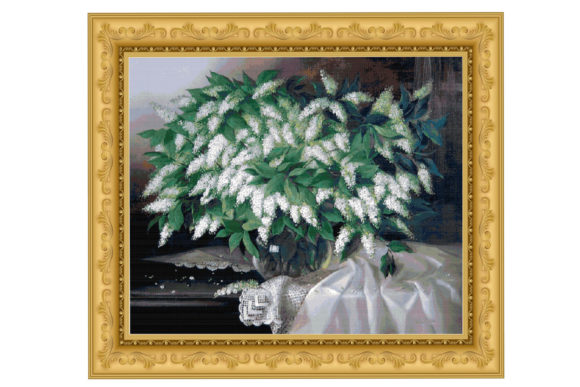
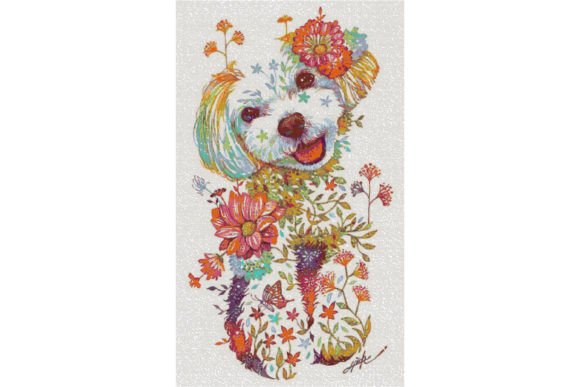
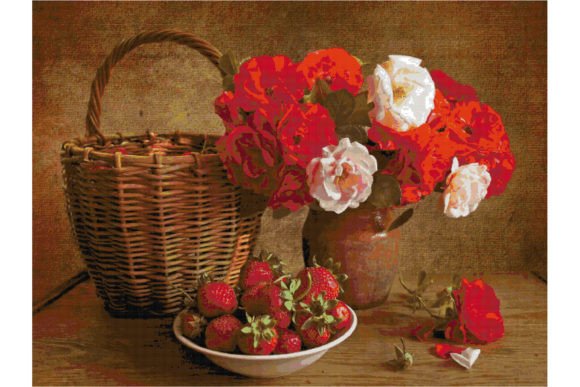
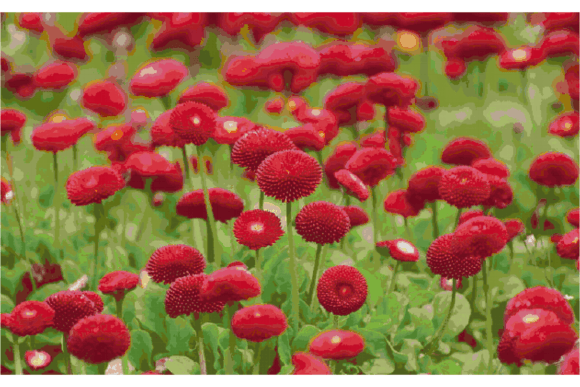
The immediate takeaway from Counted Cross Stitch Pattern-Flowers 130 is its balance of simplicity and charm. In a market saturated with overly complex, multi-colored machine designs that often look cluttered or lose detail after washing, this pattern offers a refreshing clarity. The layout feels organic yet structured, making it ideal for projects where you want the stitching to be the focal point without competing with the base fabric’s texture.
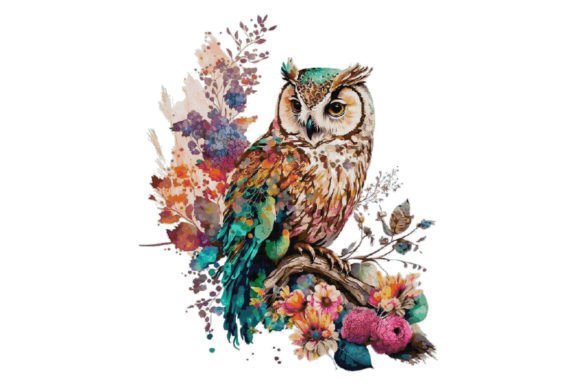
Visually, the design carries a soft, inviting mood. It does not scream for attention like a bold graphic print; instead, it whispers elegance. This makes it particularly effective for personalized gifts and nursery decor. When I visualize this on a white tea towel or a pale blue baby onesie, the contrast is gentle but distinct. For Cross Stitch Patterns in the Graphics category, this one leans heavily into traditional craftsmanship while remaining modern enough for contemporary home goods.
Real-World Application: From Chart to Product
Let’s talk about the actual use case. I tested the concept of Counted Cross Stitch Pattern-Flowers 130 mentally against several common product categories to see where it fits best.
- Tote Bag Design: On a canvas tote, this pattern works beautifully as a central chest motif or a lower-corner accent. Because cross stitch has a textured, raised appearance, it adds physical depth to flat fabric. However, if used on a heavy-duty canvas, ensure the backing stabilizer is robust enough to prevent puckering.
- Sweatshirt Embroidery: Applying this to a cotton sweatshirt requires care. The looped texture of fleece can sometimes swallow fine details. If you proceed, I recommend using a cut-away stabilizer and perhaps slightly larger stitches than usual to ensure the flowers remain visible against the thick fabric.
- Embroidered Patch: This is perhaps the strongest use case. Counted Cross Stitch Pattern-Flowers 130 translates exceptionally well into a patch that can be sewn onto denim jackets, caps, or hats. The defined edges of the flower shapes allow for clean trimming and finishing, giving your small shop product a professional, branded look.
- Home Textiles: Pillow covers and kitchen towels are natural homes for this design. The floral theme is timeless, ensuring that the finished product remains relevant season after season, which is crucial for inventory management in a craft business.
Technical Considerations and Stitching Clarity
One of the most critical aspects of reviewing any embroidery file is understanding how the stitch density will behave. While Counted Cross Stitch Pattern-Flowers 130 is described as having large, easy-to-read charts, this suggests a design that prioritizes readability over extreme intricacy. This is a strength, not a weakness, for commercial production.
High-density designs take hours to stitch and can distort lightweight fabrics. A simpler, well-spaced floral motif allows for faster turnaround times for Etsy sellers and reduces the risk of thread breakage or needle damage. When planning your thread colors, pay close attention to the chart provided. Since you receive three versions of the charts, including a symbols-over-colors chart, you have flexibility in choosing threads that match your specific fabric palette. Always test color contrast by holding the thread up to the fabric before committing to a full run.
It is important to note that this is a digital embroidery file based on a counted chart (PDF). You will need to digitize this manually or use a tracing method if you are converting it for machine embroidery. If you are hand-stitching, the "large easy to read" aspect ensures less eye strain and fewer errors, which directly impacts the professionalism of your finished product.
Where Caution Is Required
No design is perfect for every surface. There are specific scenarios where Counted Cross Stitch Pattern-Flowers 130 might struggle:
- Small Hoop Sizes: If you attempt to fit this entire design into a very small hoop, you may lose the proportional balance of the flowers. Ensure your hoop size accommodates the full width and height of the chart.
- Textured or Stretchy Fabrics: Avoid using this on highly textured weaves like bouclé or stretchy knits without proper stabilization. The grid nature of cross stitch relies on a stable foundation to maintain straight lines. On curved surfaces like caps, the design may warp unless carefully padded and hooped.
- Dense Stitch Areas: While the overall design is likely open, check the centers of the flowers. If they are filled with dense satin or fill stitches, ensure your fabric can support that weight without buckling.
Impact on Brand Value and Customer Trust
In the world of handmade goods, presentation is everything. A clean, well-executed Counted Cross Stitch Pattern-Flowers 130 signals quality to the buyer. Customers associate neat, consistent stitching with care and attention to detail. When you sell a custom apparel item featuring this design, you are selling the assurance that it was made thoughtfully.
Furthermore, the versatility of this design aids in brand consistency. You can use variations of this floral motif across different products—matching an apron with a tea towel and a pillowcase—to create a cohesive collection. This cohesion builds recognition and trust, encouraging repeat purchases from your audience.
Practical Designer Notes Before You Start
Before you begin stitching or selling items made from Counted Cross Stitch Pattern-Flowers 130, follow these practical steps to ensure success:
- Test on Scrap Fabric: Never start on your final product. Use a scrap of the exact same fabric to check tension, thread visibility, and stabilizer performance.
- Review Black and White Mockups: Convert the chart to black and white to check the value contrast. If the shapes blend together in grayscale, they may lack definition in color.
- Confirm Licensing: As with all design assets, verify the license terms. Determine if you are allowed to sell finished items made from this pattern. This is essential for avoiding legal issues in your commercial embroidery work.
- Inspect Small Details: Zoom in on the PDF chart. Are there tiny elements that might get lost in stitching? If so, consider simplifying them or adjusting your stitch length.
- Choose the Right Stabilizer: Match your stabilizer to the fabric weight. Light fabrics need light stabilizers; heavy linens need sturdy tear-away or cut-away options.
Ultimately, Counted Cross Stitch Pattern-Flowers 130 is a solid choice for designers looking to add a touch of classic beauty to their portfolio. It balances ease of execution with high aesthetic appeal, making it suitable for everything from holiday embroidery gifts to permanent home textiles. By approaching it with careful planning and realistic expectations, you can transform this simple chart into a valuable asset for your creative business.