Ikat Embroidery Floral Seamless Patterns Review
As an embroidery designer who spends countless hours digitizing patterns and testing stitch formations, I approach every new download with a mix of curiosity and skepticism. The market is saturated with designs that look stunning in a digital preview but fall apart when the needle hits the fabric. Recently, I came across the Ikat Embroidery Floral Seamless Patterns on Creative Fabrica. While the product description highlights its utility for gift wrapping, greeting cards, and tumbler wraps, my professional eye immediately wondered: how does this translate to actual machine embroidery? Can these seamless graphics hold up as design assets for commercial apparel, or are they strictly for digital scrapbooking?
I decided to put the Ikat Embroidery Floral Seamless Patterns through a rigorous evaluation. My goal was to determine if this machine embroidery design collection could serve as a viable foundation for real-world handmade products, from boutique tote bags to personalized nursery decor. Here is my honest review based on visual analysis, practical application scenarios, and the specific needs of small business owners and crafters.
First Impressions: Visual Mood and Detail Level
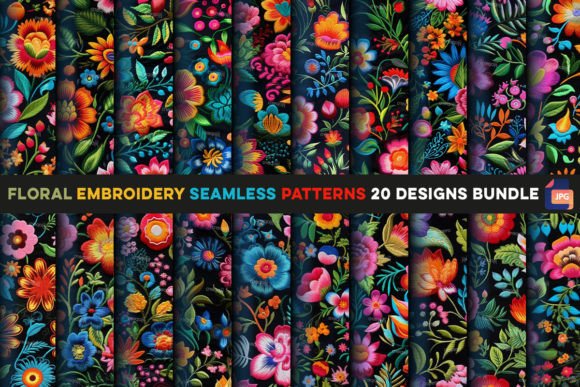
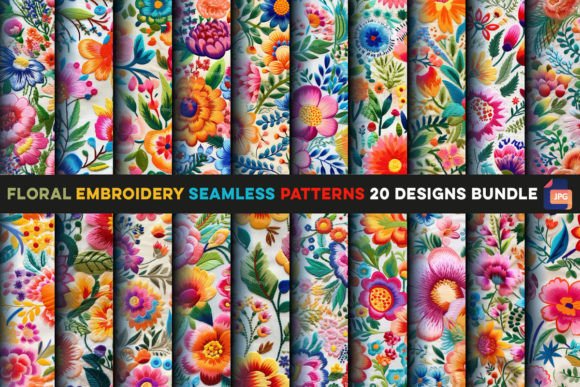
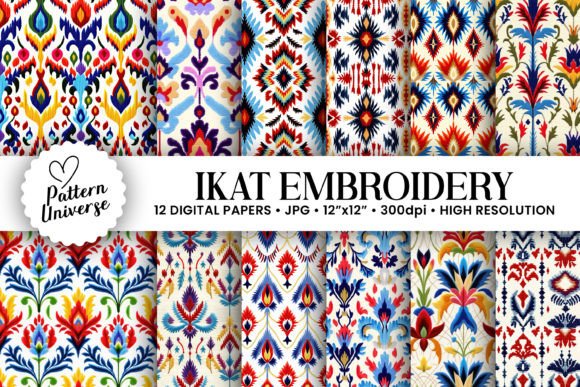
The moment you open the folder containing the Ikat Embroidery Floral Seamless Patterns, the aesthetic is immediately striking. The ikat style—known for its blurred, tie-dye-like edges—offers a rustic yet sophisticated texture that differs significantly from crisp, vector-based floral designs. For designers looking to add warmth and organic feel to their custom apparel, this pattern provides a unique visual mood.
The detail level is high enough to justify close-up photography for Etsy listings, yet the seamless nature allows for versatile scaling. However, it is crucial to understand that these are primarily design assets intended for use as backgrounds or large-scale fills rather than intricate monograms. The "ethnic" aspect mentioned in the product title brings a worldly charm that resonates well with bohemian-style boutiques and craft fair customers seeking something distinct from mass-produced merchandise.
Real-World Application: From Digital File to Finished Product
When considering whether to use the Ikat Embroidery Floral Seamless Patterns for a customer order, the versatility is impressive. These patterns can be adapted for a wide range of items:
- Tote Bag Design: A large ikat floral background can cover the front panel of a canvas tote, creating a vibrant, art-like appearance.
- Sweatshirt Embroidery: For cozy autumn collections, using the pattern as a textured fill behind a simple text element adds depth without overwhelming the garment.
- Embroidered Patch: If scaled correctly, the seamless elements can create a rich, full-background patch for denim jackets or backpacks.
- Kitchen Towels and Aprons: The earthy tones often found in ikat designs pair beautifully with linen or cotton kitchen textiles, appealing to home decor enthusiasts.
- Nursery Decor: Softened versions of these patterns can work well on baby blankets or pillow covers, offering a gentle, organic aesthetic.
For Etsy sellers and digital product sellers, these files also serve as excellent bases for printable mockups. You can layer these patterns over digital representations of tumblers or mugs to showcase potential branding opportunities before committing to physical production.
Performance on Different Fabrics and Projects
The success of any embroidery file depends heavily on the substrate. When testing the Ikat Embroidery Floral Seamless Patterns, consider the following fabric interactions:
Textured Fabrics: Ikat patterns naturally complement textured materials like burlap, heavy cotton, or linen blends. The blurred edges of the ikat motif help camouflage minor stitching imperfections that might occur on rougher weaves. This makes it an forgiving choice for beginners or for projects where perfect tension is hard to maintain.
Stretchy Fabrics: If applying this to knit fabrics like sweatshirts or activewear, stability is key. The dense nature of some ikat fills may require a strong cut-away stabilizer to prevent puckering. Always test on a scrap piece of the same stretchy material to ensure the stitch density does not distort the garment’s drape.
Dark Fabric: On dark backgrounds, the contrast of the ikat colors becomes critical. Ensure your thread selection matches the lightness of the pattern elements. Dark-on-dark ikat designs may lose their defining characteristics unless high-contrast threads are used.
Practical Embroidery Notes and Technical Considerations
Before uploading these patterns to your embroidery machine, there are several technical checks every designer should perform. Ignoring these steps can lead to wasted time and frustrated customers.
- Test on Scrap Fabric: Never assume a pattern will stitch perfectly on the first try. Run a test on the exact fabric type you plan to use. Check how the satin stitch edges (if present) lay flat against the material.
- Check Thread Color Contrast: Ikat designs rely on color blending. If your machine cannot replicate the subtle gradients of the digital file, the design may look muddy. Use high-quality polyester threads to maintain vibrancy.
- Review Stitch Density: Large seamless fills can become heavy. If the fill stitch density is too high, it may cause needle breakage or fabric distortion. Adjust the density in your digitizing software if necessary to ensure breathability in the finished product.
- Confirm Hoop Size: Since these are seamless patterns, you may need to embroider them in sections or use a very large hoop. Verify that your machine’s hoop size accommodates the desired scale of the design. If the pattern exceeds your hoop, you may need to digitize a multi-hoop sequence or use a frame extension.
- Inspect Small Details: While ikat is generally bold, some variations may include smaller floral accents. Inspect these areas after stitching to ensure they remain distinct and do not merge into a solid blob.
Impact on Product Value and Brand Consistency
Using the Ikat Embroidery Floral Seamless Patterns can significantly elevate the perceived value of your handmade products. In the competitive world of commercial embroidery, uniqueness is currency. Customers are drawn to items that feel curated and artistic rather than generic.
A well-executed ikat design on a personalized gift or handmade product tells a story. It suggests attention to detail and a connection to traditional textile arts. This narrative enhances brand consistency for shops focusing on bohemian, rustic, or global-inspired aesthetics. Furthermore, the visual appeal of these patterns translates exceptionally well to product photography. The textures and colors photograph beautifully, which is essential for driving engagement on social media platforms like Instagram and Pinterest.
Licensing and Commercial Use
One of the most important aspects for any entrepreneur is understanding the usage rights. The product description mentions these are "Digital Papers" included in a graphics package. Before using the Ikat Embroidery Floral Seamless Patterns for selling finished embroidered goods, you must verify the specific license terms on the Creative Fabrica product page. Typically, graphic assets allow for commercial use in finished products, but it is always wise to confirm whether you are purchasing a personal or commercial license. Clear licensing protects your business and ensures you have the right to sell items created with these design assets.
Final Verdict
The Ikat Embroidery Floral Seamless Patterns offer a compelling option for designers looking to diversify their catalog with textured, ethnic-inspired motifs. They are particularly effective for tote bag design, kitchen towels, and background-heavy projects where texture adds character. While they may not be suitable for tiny lettering or highly detailed applique work, their strength lies in their ability to create immersive, decorative surfaces.
For small business owners and crafters, this resource provides a cost-effective way to introduce high-quality, visually complex designs into their workflow. By taking the time to test stitch density, select appropriate threads, and respect licensing agreements, you can transform these digital patterns into successful, marketable finished products. If you are aiming to add a touch of artisanal elegance to your custom apparel line, these patterns are definitely worth exploring.