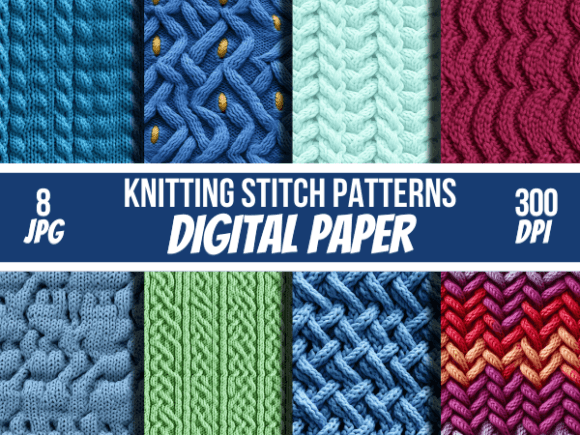
Knitting Stitch Patterns Digital Papers Review
As an embroidery designer who spends her weekends hunched over a hoop and her weekdays planning for the next craft fair season, I am always scanning for new design assets that can translate beautifully into tangible, sellable goods. Recently, I came across a set titled Knitting Stitch Patterns Digital Papers. On paper—or rather, on screen—it sounds like a simple collection of textures. But in my experience, texture is everything when you are trying to stop a browser from scrolling or catch the eye of a passerby at a busy market booth.
I decided to put these digital papers to the test. My goal was to see if this set could serve as the foundation for a cohesive line of handmade products, ranging from embroidered tote bags to decorative tea towels. Here is my professional review of how Knitting Stitch Patterns Digital Papers performs in the real world of production and sales.
First Impressions: The Visual Appeal
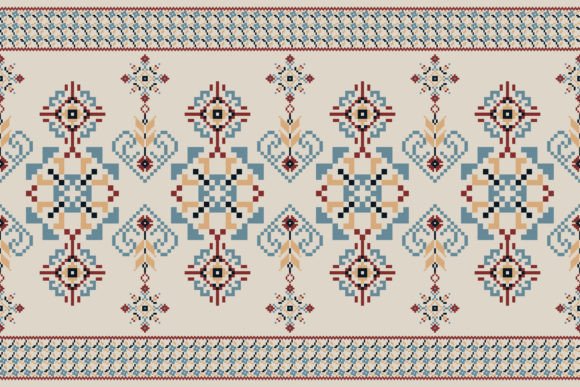
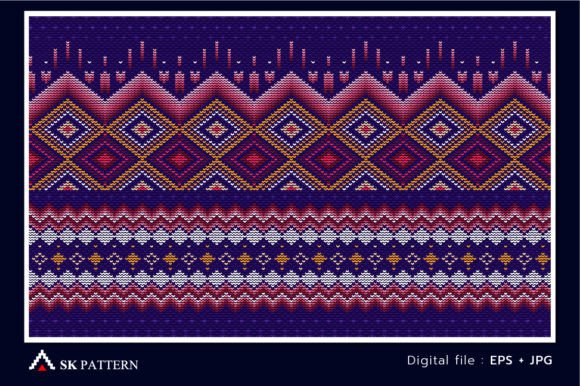
The title suggests a focus on the tactile beauty of yarn crafts. When you look at Knitting Stitch Patterns Digital Papers, the immediate impression is one of warmth and comfort. The patterns evoke the feeling of a cozy sweater, a rustic farmhouse kitchen, or a well-loved library. This aesthetic is incredibly powerful for craft fairs because it triggers an emotional response. Customers do not just buy a product; they buy the feeling of home and comfort that the design represents.
The visual style leans towards the modern rustic and soft minimalist categories. It is not loud or chaotic. Instead, it offers a clean, repeatable structure that looks premium. For an Etsy seller or a boutique maker, this clarity is vital. A busy pattern can look messy when printed small, but the structured nature of knitting stitches provides a reliable grid that remains legible even at smaller scales. This makes the set highly versatile for various applications, from large focal designs on aprons to subtle accents on gift tags.
Product Applications: From Screen to Shelf
So, where does Knitting Stitch Patterns Digital Papers shine the most? After reviewing the eight JPGs included in the set, I identified several high-potential craft fair product ideas.
- Embroidered Aprons and Tea Towels: The most natural fit for these patterns is kitchen textiles. The repetitive nature of knitting stitches mimics the weave of fabric itself, creating a harmonious visual. Imagine a white cotton tea towel with a single, centered panel of cable knit pattern. It feels intentional and high-end. For apron embroidery, using the pattern as a border along the hem adds a sophisticated touch without overwhelming the garment.
- Tote Bags and Market Bags: Canvas totes are a staple at any handmade market. However, they can look generic if decorated poorly. Using Knitting Stitch Patterns Digital Papers as a background for a monogram or a simple logo can elevate the bag. The pattern adds depth and interest, making the tote look like a curated fashion accessory rather than a plain promotional item. It works particularly well on neutral-colored fabrics like cream, oatmeal, or slate gray.
- Decorative Pillow Covers: Home decor is a booming category for online shops. These digital papers are perfect for sublimation printing on pillow inserts or as reference images for cross-stitch projects. The geometric precision of the knitting patterns ensures that the final product looks sharp and professional, increasing the perceived value of the item.
- Gift Tags and Packaging: Never underestimate the power of packaging. Printing these patterns on thick cardstock for gift tags or wrapping paper creates a consistent brand identity. If a customer buys a handmade soap or a knitted scarf, having the tag feature the same aesthetic as the product listing creates a memorable unboxing experience.
Practical Selling and Production Points
When evaluating any digital embroidery file or graphic set, I always ask: Is it easy to produce? Does it photograph well? And can I make ten of them in an afternoon?
Knitting Stitch Patterns Digital Papers scores high on repeatability. Because the designs are based on structural patterns, they tile seamlessly. This means you can create large backgrounds for web listings or wrap entire surfaces for physical products without worrying about awkward seams. For batch production, this efficiency is key to maintaining healthy profit margins.
In terms of photography, these patterns provide excellent contrast against solid colors. Whether you are shooting flat-lay photos for your Etsy shop or staging a display table, the lines of the knitting patterns catch the light nicely, adding dimension to your images. This helps your small shop product stand out in a crowded feed.
However, there are some careful-use notes to keep in mind. If you plan to digitize these patterns for machine embroidery, be mindful of the stitch density. Knitting patterns often rely on negative space to show the "holes" or gaps in the stitch work. If you fill every gap with thread, the design will become too heavy and lose its characteristic look. Test the design on scrap fabric first to ensure the thread colors provide enough contrast to distinguish the individual stitches. Also, consider the fabric texture. On a smooth linen, the pattern will look crisp. On a rough burlap or a thick terrycloth towel, the details might get lost, so choose your base material wisely.
Technical Considerations for Embroidery Designers
If you are converting these graphics into actual embroidery files, here are a few technical tips:
- Check Hoop Size: Ensure the pattern dimensions fit within your standard hoop sizes (usually 4x4, 5x7, or 6x10 inches). You may need to scale the design down slightly to avoid edge clipping.
- Stabilizer Choice: Use a cut-away stabilizer for stretchy fabrics like jersey or fleece to prevent puckering. For stable cottons, a tear-away may suffice, but a wash-away backing can help maintain the crispness of the fine lines.
- Thread Colors: Stick to a limited palette. Two or three contrasting thread colors are usually enough to define the pattern without creating visual clutter. Avoid using more than five colors unless you are aiming for a very specific artistic effect.
- Density Settings: Reduce the stitch density if the pattern includes many small columns of satin stitches. This prevents the fabric from becoming stiff and unravels less easily over time.
Final Verdict: Is It Worth It?
For creative entrepreneurs looking to expand their inventory, Knitting Stitch Patterns Digital Papers is a strong addition. It bridges the gap between digital convenience and physical charm. It allows you to create a wide range of commercial embroidery products quickly and consistently.
The set’s strength lies in its versatility and its ability to convey quality through simplicity. It appeals to the modern consumer who values handmade authenticity and cozy aesthetics. Whether you are designing for a weekend craft fair booth or building an online store, these patterns offer a reliable way to enhance your brand’s visual identity.
Just remember to check the specific licensing terms before selling finished products. While the digital files are great for inspiration and mockups, commercial rights vary by creator. Once you have confirmed those details, you can confidently turn these digital papers into best-selling items that customers will love to hold, use, and gift.