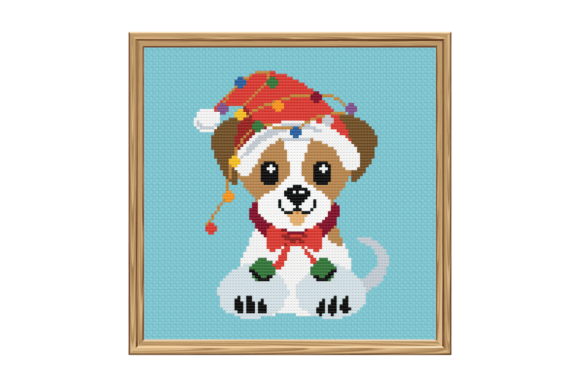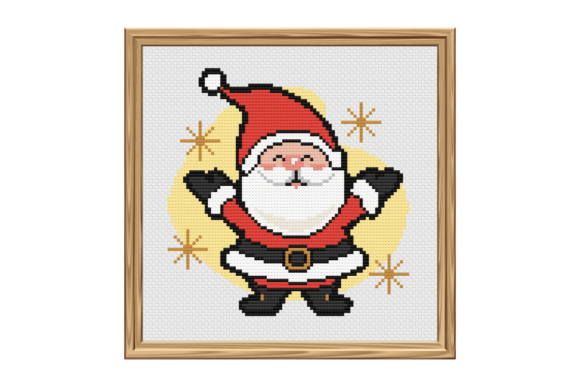
Santa Claus Cartoon Style Cross Stitch Pattern
As an embroidery designer who has spent years translating digital concepts into tangible merchandise, I approach every new asset with a critical eye. The market for small business merch is saturated, and the difference between a generic product and a premium brand lies in the details. When reviewing a Santa Claus Cartoon Style Cross Stitch Pattern, we are not just looking at a festive image; we are evaluating its viability as a commercial asset for branded patches, staff uniforms, and customer-facing products.
This review focuses on how this specific design performs in real-world production environments. Whether you are running a boutique bakery, a handmade shop, or a creative studio, understanding the technical and aesthetic implications of your embroidery file is crucial for maintaining professional standards.
First Impressions: Visual Personality and Brand Alignment
The title Santa Claus Cartoon Style Cross Stitch Pattern immediately sets expectations. In the world of brand identity, "cartoon style" suggests playfulness, approachability, and warmth. It does not scream luxury or minimalism; instead, it evokes a sense of nostalgia and handmade charm. This makes it an excellent choice for businesses that want to project a friendly, community-focused image.
From a design perspective, the cross-stitch aesthetic adds texture and depth. Unlike flat vector graphics, the simulated stitch lines create visual interest that translates well to thread. For small business owners, this means the finished product feels more substantial and valuable. It signals to the customer that care was taken in the creation process, enhancing customer trust and engagement. However, designers must ensure that the "cartoon" elements are bold enough to be recognized when embroidered. Fine lines can get lost in the stitching process, so the initial impression should favor clear shapes over intricate detailing.
Real-World Business Applications
The versatility of a Santa Claus Cartoon Style Cross Stitch Pattern allows it to be integrated into various aspects of a small business’s operations. Here is how it performs in key areas:
- Embroidered Patches: This design is ideal for creating sew-on or iron-on patches. The cartoon style works well within the confined space of a patch, providing a recognizable focal point for custom apparel. It can serve as a logo accent on denim jackets or backpacks, adding a unique touch to standard merchandise.
- Staff Uniforms and Aprons: For cafes, bakeries, or florists, adding a festive apron embroidery design boosts team morale and seasonal spirit. A cartoon Santa on the chest pocket or back yoke of an apron creates a cohesive look without overwhelming the uniform. It helps staff feel like part of a fun, creative team while reinforcing the brand's holiday theme.
- Caps and Hats: Cap embroidery requires designs that fit the curvature of the front panel. A centered Santa motif works beautifully here. The cross-stitch effect adds a rustic, artisanal feel that pairs well with beanies, baseball caps, or bucket hats sold as part of a holiday collection.
- Tote Bags and Product Packaging: A tote bag design featuring this pattern can turn a simple canvas bag into a keepsake item. Customers often reuse high-quality tote bags, extending your brand’s visibility. Additionally, using this design as a printed label or tag on gift packaging adds a layer of professionalism and attention to detail.
- Etsy Branding and Digital Assets: Even if you sell digital files, having a physical mockup is essential. Creating a printable mockup of this design on various products helps potential buyers visualize the end result. It demonstrates the quality of your design assets and increases conversion rates by showing rather than just telling.
Strategic Placement and Design Limitations
While the Santa Claus Cartoon Style Cross Stitch Pattern has many strengths, there are specific scenarios where caution is required. An experienced designer knows that not every design fits every surface.
Small Patch Sizes: If you plan to scale this design down to a very small size (e.g., under 2 inches), you must evaluate the level of detail. Cross-stitch patterns rely on distinct blocks of color. If the design becomes too small, these blocks may merge, resulting in a muddy appearance. Test the design at your intended final size before committing to bulk production.
Curved Surfaces: Embroidering on curved surfaces like cap fronts or sleeve cuffs can distort the design. The tension of the fabric pulling against the hoop can stretch the stitches. Ensure your digitizing software accounts for this distortion, or consider using a stabilizer that minimizes stretching.
Thread Color Contrast: The success of any embroidery depends on contrast. On dark uniforms or dark-colored totes, light thread colors might get lost. Conversely, dark threads on black fabric will disappear entirely. Always test thread combinations against your actual fabric choices. The cartoon style likely relies on bright reds, whites, and blacks—ensure these colors pop against your base material.
Fabric Texture: Rough or highly textured fabrics can obscure fine stitch details. Smooth cottons, linens, and poly-blends generally yield the best results for cross-stitch simulations. Avoid heavy wools or nubby tweeds unless the design is intentionally large and bold.
Impact on Brand Identity and Professionalism
Using a high-quality commercial embroidery design like this pattern elevates your brand perception. It shows that you invest in professional-grade materials and execution. When customers receive a product with clean, precise stitching, they associate that quality with the rest of your offerings. This reinforces brand identity and encourages repeat purchases.
Furthermore, the handmade aesthetic of a cross-stitch pattern aligns with the growing consumer preference for authentic, artisanal products. It differentiates your small business merch from mass-produced items found in big-box stores. By offering something that looks crafted and thoughtful, you build a deeper emotional connection with your audience.
Practical Designer Notes for Production
Before incorporating the Santa Claus Cartoon Style Cross Stitch Pattern into your product line, follow these essential steps:
- Test in Black and White: Print the design in grayscale to check the balance of negative space and density. This helps identify areas that might become too crowded with thread.
- Check Hoop Size: Confirm the maximum dimensions of the design to ensure it fits your available hoop sizes. This prevents costly errors during digitizing or setup.
- Use Proper Stabilizer: Select a stabilizer appropriate for your fabric weight. Heavy-cutaway stabilizers are often needed for dense designs to prevent puckering.
- Create a Mockup: Produce a physical sample on the exact fabric you intend to use. Inspect the stitch density, thread tension, and overall finish. Look for loose threads, gaps, or distortion.
- Verify Licensing: Since the description mentions a PDF download, carefully review the license terms. Ensure you have commercial rights to use the design on merchandise for sale. Do not assume personal-use licenses cover business applications.
- Compare Against Other Assets: Place this design next of your other design assets to ensure visual consistency. Does it match the tone of your existing logos and branding?
By treating the Santa Claus Cartoon Style Cross Stitch Pattern as a strategic business tool rather than just a decorative element, you can create memorable, high-value products that resonate with your customers. Whether used for holiday specials, year-round gifts, or staff appreciation, this design offers a charming way to enhance your brand’s presence in a competitive market.