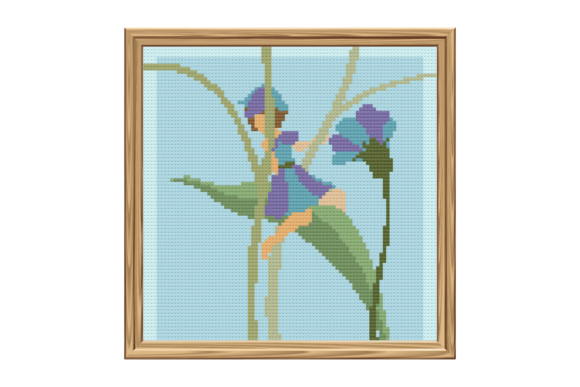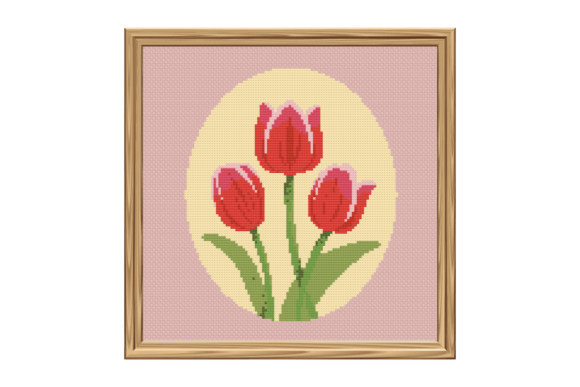
Vintage Tulips Cross Stitch Pattern
As an embroidery designer who spends countless hours translating digital files into tactile, wearable art, I am always scanning Creative Fabrica for designs that offer genuine versatility. When it comes to building a boutique apparel collection, specifically for sweatshirts and hoodies, the difference between a generic print and a premium handmade product often lies in the detail and the texture of the design. Recently, I reviewed the Vintage Tulips Cross Stitch Pattern, a graphic file categorized under Cross Stitch Patterns and Graphics. This review explores how this specific design might translate from a PDF instruction sheet into a high-value commercial embroidery project for small clothing brands, Etsy sellers, and creative entrepreneurs.
First Impressions: Visual Personality and Mood
The first thing any designer notices is the visual personality of the motif. The Vintage Tulips Cross Stitch Pattern evokes a distinct mood: nostalgic, soft, and undeniably feminine without being overly saccharine. Unlike modern geometric machine embroidery files that scream boldness, this design whispers. It suggests a rustic charm mixed with playful minimalism. For a brand identity focused on cozy, lifestyle-oriented products, this aesthetic hits the sweet spot between trendy and classic.
In terms of decorative strength, tulips are a staple in spring and summer collections, but the "cross stitch" interpretation adds a layer of artisanal value. It mimics the look of hand-stitched heritage crafts, which allows boutique owners to market their garments as having a "handmade soul," even if they are produced using digitized files. The design feels premium because it relies on line work and texture rather than dense, heavy fills, which is crucial for maintaining the drape and comfort of knit fabrics like fleece or jersey.
Application on Boutique Apparel
When planning a small sweatshirt or hoodie collection, placement is everything. Here is how the Vintage Tulips Cross Stitch Pattern performs across various garment types and placements:
- Sweatshirt Embroidery: On neutral-colored crewneck sweatshirts, this design shines. The cross-stitch texture contrasts beautifully with the smooth loops of cotton-poly blends. It works exceptionally well as a centered chest placement or slightly off-center for a more casual, deconstructed look.
- Hoodie Chest Placement: For pullover hoodies, especially in pastel tones like sage green, blush pink, or lavender, the vintage tulip theme complements the color palette naturally. It adds a focal point without overwhelming the silhouette.
- Sleeve Accents: One of the most effective uses for this pattern is as a sleeve accent. Placing a smaller version near the cuff or along the seam adds a subtle detail that customers discover upon closer inspection, enhancing the perceived value of the handmade product.
- Back Designs: If scaled up appropriately, the pattern can serve as a striking back print. However, designers must be cautious about stitch density here to ensure the garment does not become too stiff or heavy.
- T-Shirt Embroidery: On lightweight t-shirts, this design offers a delicate touch. It pairs well with minimalist branding, adding a touch of whimsy to everyday wear.
- Denim Jackets and Tote Bags: Beyond apparel, this graphic translates well to denim jackets, where the rustic vibe matches the rugged fabric, and to canvas tote bags, appealing to the same demographic of shoppers looking for custom apparel accessories.
Color and Contrast Considerations
The success of this embroidery file depends heavily on thread selection. Because the source is a graphic pattern intended for cross-stitch instructions, you will need to choose thread colors that mimic the original artwork while ensuring contrast against your chosen fabric. On dark garments, light cream or white threads may struggle to show the fine details of the cross-stitch effect unless a high-density underlay is used. Conversely, on light apparel, darker threads provide sharp definition. Always test thread color contrast before committing to production runs.
Practical Design Challenges and Care Areas
While the aesthetic appeal is high, there are technical considerations when converting a Cross Stitch Patterns graphic into a commercial machine embroidery design. Not all areas of the design are created equal for automated stitching.
- Dense Stitch Areas: Ensure the design does not have overly dense sections that could cause puckering on stretchy fabrics like fleece or ribbed cuffs. If the design includes tight clusters of stitches, consider reducing the density or adding water-soluble stabilizer during the process.
- Stretchy Fabric and Curved Surfaces: Embroidering on curved surfaces, such as the front panel of a hoodie above the pocket, requires careful hooping. The tension must be consistent to prevent the tulip shapes from distorting. Testing on scrap fabric from the actual garment manufacturer is non-negotiable.
- Small Chest Placement: If placing the design on a small chest area, verify that the hoop size accommodates the entire motif without cutting off petals or stems. A cramped design loses its vintage elegance.
- Fabric Texture: The cross-stitch look relies on visible gaps between stitches. On highly textured fabrics like bouclé or thick waffle knits, the individual stitches may get lost. Smooth jersey or French terry provides the best canvas for this style.
Impact on Brand Identity and Commercial Value
For Etsy sellers and small shop product creators, the choice of design directly influences buyer trust and product recognition. Using a cohesive theme like vintage botanicals helps establish a recognizable brand voice. When customers see the Vintage Tulips Cross Stitch Pattern on multiple items—perhaps paired with similar floral graphics—they begin to associate that specific aesthetic with your boutique brand.
Furthermore, this design supports professional presentation. High-quality embroidery signals durability and care. In social media graphics and printable mockups, the texture of the cross-stitch simulation adds depth to photos, making the finished product stand out in crowded online marketplaces. It elevates a basic sweatshirt from a commodity to a lifestyle product that tells a story.
Designer’s Checklist for Production
Before adding this design to your commercial inventory, follow these practical steps to ensure quality:
- Test on Scrap Fabric: Always run a test stitch on the exact fabric type you plan to use. Check for puckering, thread breakage, and color accuracy.
- Check Stabilizer Choice: Use appropriate cut-away or tear-away stabilizers depending on the fabric weight. For heavy hoodies, a strong cut-away stabilizer prevents distortion over time.
- Confirm Hoop Size: Ensure your machine’s hoop can accommodate the design dimensions. If the design is large, you may need to split it or adjust the scale.
- Inspect Stitch Density: Review the digitization (if available) or simulate the stitch path to ensure it is not too dense for the intended garment.
- Review Licensing: Although the product description states you receive a PDF with instructions, you must confirm the licensing terms on Creative Fabrica before selling finished apparel. Ensure you have the right to use the design commercially.
- Create Printable Mockups: Use the graphic to create digital mockups for your Etsy listings. This allows you to market the item before producing physical stock, reducing waste and risk.
The Vintage Tulips Cross Stitch Pattern is a versatile asset for any designer looking to add a touch of vintage charm to their apparel line. By understanding its strengths and respecting its technical limitations, you can create stunning, high-value pieces that resonate with customers seeking authentic, handmade-style fashion.